

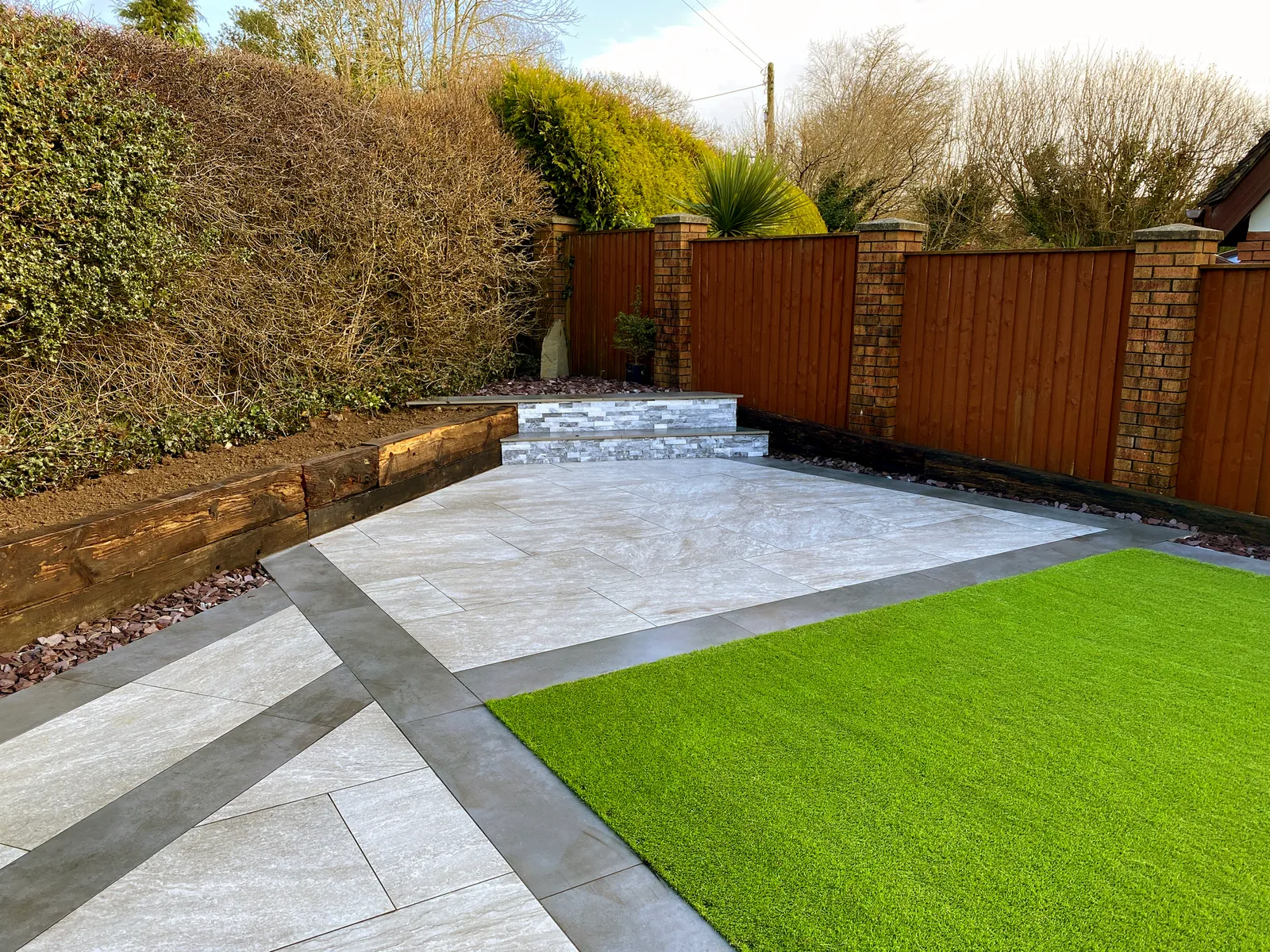
A garden makeover can completely change how you use your home, but it needs to be planned carefully. A garden that looks good in photos is not always practical for everyday life. The layout, levels, lawn areas, seating space, boundaries and maintenance all need to work together.
Many homeowners start by thinking about individual features. They may want a new patio, artificial turf, fencing or borders. These are all important, but the best garden makeovers usually start with a bigger question: how do you want the garden to work?
A well-planned garden should feel easier to use, more comfortable to spend time in and more suited to your lifestyle. This guide explains how to plan a garden makeover, what to consider before work starts and how to avoid common mistakes.
If you are planning a garden improvement, visit our landscaping services page to find out how Forthcoming Group can help.
Key Takeaways
- Start with how you want to use the garden, not just how you want it to look
- Patios, lawns, fencing and borders should work together as part of one layout
- Natural turf and artificial turf suit different homes and maintenance needs
- Levels, drainage and preparation are important before any finished features are installed
- A good garden makeover should improve everyday use, not just appearance
- Planning properly helps avoid awkward spaces, poor access and future problems
Start With How You Use the Garden
Before choosing materials or features, think about what you actually want from the garden. Different households use outdoor spaces in different ways, and the right design should reflect that.
Some homeowners want a garden for relaxing. Others need space for children, pets, entertaining, low-maintenance use or a cleaner finish around the home. In many cases, the garden needs to do several things at once.
Questions to ask include:
- Do you need a seating or dining area?
- Do you want more lawn space or less lawn to maintain?
- Is privacy important?
- Do children or pets use the garden?
- Does the garden need to feel safer or more enclosed?
- Are there awkward areas that are rarely used?
- Do you want a low-maintenance finish?
- Does the garden need better access from the house?
Once you understand how the garden needs to work, it becomes easier to decide which features are worth including.
Think About the Layout First
The layout is one of the most important parts of a garden makeover. If the layout is wrong, the garden can still feel awkward even after new features have been installed.
A good layout should make the garden feel usable and connected. Patios, lawn areas, borders and fencing should not feel like separate pieces added without a plan.
Useful layout considerations include:
- Where the sun falls during the day
- Where seating will feel most comfortable
- How people will move through the garden
- Whether the lawn is in the right place
- How the patio connects to the house
- Where fencing or borders will create structure
- Whether any areas feel wasted or difficult to maintain
A garden makeover does not always need to be complicated, but it should be thought through. Even simple changes can make a big difference if the layout works.
Patios and Seating Areas
A patio can become one of the most used parts of the garden. It creates a practical area for seating, dining, entertaining or simply stepping out from the house onto a clean and stable surface.
The position and size of the patio matter. A patio that is too small may feel cramped, while one that is too large can dominate the garden. It also needs to connect well with doors, paths, lawn areas and the rest of the outdoor space.
Patios are useful for:
- Outdoor seating
- Dining areas
- Entertaining
- Creating a cleaner area near the house
- Reducing lawn maintenance
- Making the garden easier to use in different seasons
Things to consider:
- Where the patio will receive sun or shade
- Whether it needs space for furniture
- How it connects to the house
- How water will drain away
- Whether steps or changes in level are needed
- How the patio works with the rest of the garden
A patio should not feel like an afterthought. It should be positioned and sized around how you will use it.
Natural Turf
Natural turf is a popular choice for homeowners who want a fresh lawn area. It gives a traditional garden finish and can work well for families, pets and people who enjoy a softer, natural surface.
Natural turf does need ongoing care. It may need mowing, watering, feeding and seasonal maintenance to keep it looking its best. It also needs suitable preparation before installation, especially if the existing ground is uneven, compacted or poorly draining.
Natural turf is best for:
- Homeowners who want a real lawn
- Family gardens
- Larger lawn areas
- Softer, more traditional outdoor spaces
- Gardens where regular maintenance is acceptable
Things to consider:
- It needs mowing and seasonal care
- Shaded areas may struggle
- Poor drainage can affect the lawn
- Ground preparation is important
- It may take time to establish after installation
Natural turf can transform a tired garden, but it should be chosen with maintenance and garden conditions in mind.
Artificial Turf
Artificial turf can be a good option for homeowners who want a green lawn appearance without the same level of ongoing maintenance as natural grass.
It can be useful where natural grass struggles, where the garden is heavily used or where the customer wants a cleaner, more consistent surface throughout the year. However, it still needs proper preparation and installation.
Artificial turf is best for:
- Lower-maintenance gardens
- Homes where natural grass struggles
- Smaller lawn areas
- Families wanting a cleaner surface
- Gardens used regularly by children or pets
Things to consider:
- The base must be prepared properly
- Drainage still matters
- It can become warm in direct sun
- The quality and appearance of turf can vary
- Edges need to be secured neatly
Artificial turf is not the right choice for every home, but it can work well when it suits the garden and is installed correctly.
Fencing and Boundaries
Fencing has a big effect on how a garden feels. It can improve privacy, security, safety and the overall shape of the space.
Old or damaged fencing can make a garden feel tired, even if the patio or lawn is in good condition. Replacing or improving boundaries can instantly make the garden feel more organised.
Fencing can help with:
- Privacy from neighbours
- Making the garden feel more secure
- Creating a cleaner boundary line
- Improving the appearance of the outdoor space
- Making the garden safer for children or pets
- Defining the shape of the garden
Things to consider:
- The height and style of fencing
- Wind exposure
- The condition of posts and supports
- How fencing works with patios, lawns and borders
- Whether the boundary line needs clearing first
Fencing should be planned as part of the whole garden, not treated as a separate job that does not affect the finished look.
Garden Borders
Borders can help a garden feel more finished. They create structure, separate different areas and soften hard surfaces such as patios or fencing.
A garden without borders can feel plain or unfinished, especially if it is made up only of lawn and patio. Borders can help frame the space and make it feel more considered.
Borders can be used to:
- Add definition around lawn areas
- Soften fencing or boundaries
- Create planting areas
- Break up hard landscaping
- Make the garden feel more balanced
- Give structure to the overall layout
Things to consider:
- Where borders will be placed
- How wide they need to be
- Whether edging is required
- What level of maintenance is realistic
- How they connect to patios, turf and fencing
Borders do not need to be complicated, but they can make a big difference to how complete the garden feels.
Natural Turf vs Artificial Turf
One of the most common decisions in a garden makeover is whether to choose natural turf or artificial turf.
There is no single best option. The right choice depends on how you want the garden to look, how it will be used and how much maintenance you are happy to do.
| Feature | Natural Turf | Artificial Turf |
|---|---|---|
| Appearance | Natural lawn finish | Consistent green finish |
| Maintenance | Needs mowing and seasonal care | Lower maintenance |
| Feel | Soft and natural | Depends on turf quality |
| Best for | Traditional gardens and larger lawns | Smaller or low-maintenance spaces |
| Drainage | Depends on soil preparation | Depends on base preparation |
| Establishment | Needs time to settle and grow | Ready to use sooner |
Natural turf may be the better choice if you want a real lawn and are happy to maintain it. Artificial turf may be more suitable if you want a cleaner, lower-maintenance area that stays visually consistent.
Levels, Drainage and Preparation
The features you see at the end of a garden makeover are only part of the project. What happens before installation is just as important.
Poor preparation can lead to uneven patios, sinking turf areas, unstable fencing, water pooling and borders that do not hold their shape. This is why the condition of the existing garden needs to be assessed properly.
Preparation may include:
- Clearing old materials
- Removing damaged surfaces
- Levelling areas
- Preparing the base for patios or turf
- Improving drainage where needed
- Installing edging or supports
- Preparing fence lines
- Checking how water moves through the garden
A garden makeover should not simply cover over existing problems. If the groundwork, levels or drainage are wrong, issues can show later.
Planning for Maintenance
Every garden needs some level of maintenance, but the amount depends on the choices you make.
A garden with natural turf, planting and borders will usually need more regular upkeep than a garden with artificial turf and a simple patio. Neither option is right or wrong, but it is important to be realistic.
Before starting a garden makeover, think about:
- How often you want to mow the lawn
- Whether you enjoy gardening
- How much planting you want
- Whether you need an easier space to manage
- How often you will clean the patio
- Whether fencing will need future treatment
- How the garden will look through different seasons
A garden should suit the time you have available, not become another job that feels difficult to manage.
Common Mistakes to Avoid
A garden makeover is a major investment, so it is worth avoiding the mistakes that can make the finished space less successful.
Starting with features instead of layout
Choosing a patio, turf or fencing before thinking about the full layout can lead to a garden that looks disjointed.
Making the patio too small
A patio needs enough room for furniture, movement and practical use. If it is too small, it may not be used as intended.
Ignoring drainage
Poor drainage can affect patios, turf, borders and the general usability of the garden.
Choosing artificial turf for the wrong reason
Artificial turf can reduce maintenance, but it still needs proper installation and may not suit every garden.
Forgetting about privacy
Fencing and boundaries have a major effect on how comfortable the garden feels.
Underestimating preparation
The finished features will only perform well if the garden is prepared properly first.
Should You Improve One Area or Redesign the Whole Garden?
Not every garden needs a complete makeover. Sometimes improving one or two key areas can make the space much more usable.
A full garden makeover may be suitable if:
- The garden layout does not work
- Several areas are tired or unfinished
- The patio, lawn, fencing and borders all need attention
- The garden has never been properly planned
- You want a completely different look and feel
A smaller improvement may be suitable if:
- The main layout already works
- One area is causing most of the problem
- The patio or lawn needs replacing
- Fencing needs improving
- You want to make the garden easier to maintain
A survey can help identify whether the garden needs a full redesign or whether targeted improvements would be enough.
Frequently Asked Questions
How do I start planning a garden makeover?
Start by thinking about how you want to use the garden. Consider seating, lawn space, privacy, maintenance, access and any areas that currently feel awkward or unused.
What should a garden makeover include?
This depends on the garden, but common features include patios, natural turf, artificial turf, fencing, borders and layout improvements. The best combination depends on your home and lifestyle.
Is artificial turf better than natural turf?
Neither is better for every garden. Artificial turf can reduce maintenance and keep a consistent appearance, while natural turf gives a real lawn finish. The right choice depends on how the garden will be used.
Do I need a patio in my garden?
A patio is useful if you want a seating, dining or entertaining area. It can also create a cleaner, more practical space near the house.
How important is fencing in a garden makeover?
Fencing is very important because it affects privacy, safety and the way the garden feels. Tired or damaged fencing can make the whole space look unfinished.
Why does drainage matter in landscaping?
Drainage affects how water moves through the garden. Poor drainage can cause standing water, soft ground, patio issues and problems with turf or borders.
How much does a garden makeover cost?
The cost depends on the size of the garden, the work required, the materials chosen and the amount of preparation needed. A survey is the best way to get a clear quote.
Do Forthcoming Group provide landscaping in Sunderland?
Yes, Forthcoming Group provides landscaping services across Sunderland and the North East, including garden makeovers, patios, fencing, natural turf, artificial turf and borders.
Making the Right Decision
A garden makeover should make your outdoor space easier to use, better to look at and more suited to everyday life. The best results come from planning the layout first, then choosing the right features to support how you want to use the garden.
Patios, turf, artificial turf, fencing and borders can all make a big difference, but they need to work together. Good preparation, sensible layout choices and clear advice help avoid problems later.
If you are planning a garden makeover in Sunderland, Forthcoming Group can assess your outdoor space, explain your options and provide a clear quote for the work.